BHUTANMODULAR AI INFRASTRUCTURE10 → 100 MW
AI compute,built around your workload.
Rinchen develops liquid-cooled GPU campuses in Bhutan, from dedicated clusters to wholesale capacity, phased from a 10 MW pilot toward 100 MW.
Design targets from supplied materials. Final performance follows site and equipment validation.
What are you here to build?
01Compute buyers
Buy AI capacity
Secure dedicated infrastructure for training, inference or private AI workloads without waiting for a conventional campus to be built.
Request a capacity brief 02Capital partnersInvest in capacity
Evaluate physical AI infrastructure through phased capital deployment, decision gates and customer-led expansion.
View the investment case 03Governments & utilitiesHost a campus
Turn renewable power into digital exports, sovereign capability and skilled technical employment retained in the host country.
Explore the Bhutan model01
Why now
AI demand moves faster than conventional construction.
The supplied market materials estimate more than 250 GW of new data-center capacity planned by 2030. The commercial opening is not the headline alone. It is the delivery gap underneath it.
Supplied market estimate2030 demand map
250+GW planned globally
~100GW serviceable segment
5-8GW long-range ambition
Time is the commercial gap.
Targets from the supplied project materials; not completed-project performance.
Capacity strategy
10 MW first. Scale against evidence.
Each step is tied to verified power, fiber, safeguards and contracted demand.
10 MWPilot
25 MWExpansion gate
50 MWExpansion gate
100 MWExpansion gate
Market figures and the 5-8 GW ambition are supplied-company estimates and require independent investor diligence.
GPU-as-a-Service
Hourly or monthly access for teams that need flexible training and inference capacity.
Reserved AI clusters
Dedicated capacity planned around a model roadmap, security profile and deployment window.
IaaS & bare metal
Virtual machines, storage and networking, or physical servers reserved for one customer.
Wholesale capacity
Power-backed supply for cloud operators, neoclouds and regional infrastructure platforms.
Colocation & hosting
A deployment path for customer-owned systems that require liquid cooling and resilient power design.
03
The platform
Power, compute, cooling and network, engineered together.
The platform is designed as a set of repeatable blocks. Capacity can expand without redesigning every subsystem from scratch.
01Renewable powerGrid + switchgear
→02BESSGrid flexibility
→03GPU racksLiquid-cooled compute
→04CDU + loopsHeat transfer
→05Dry coolersHeat rejection
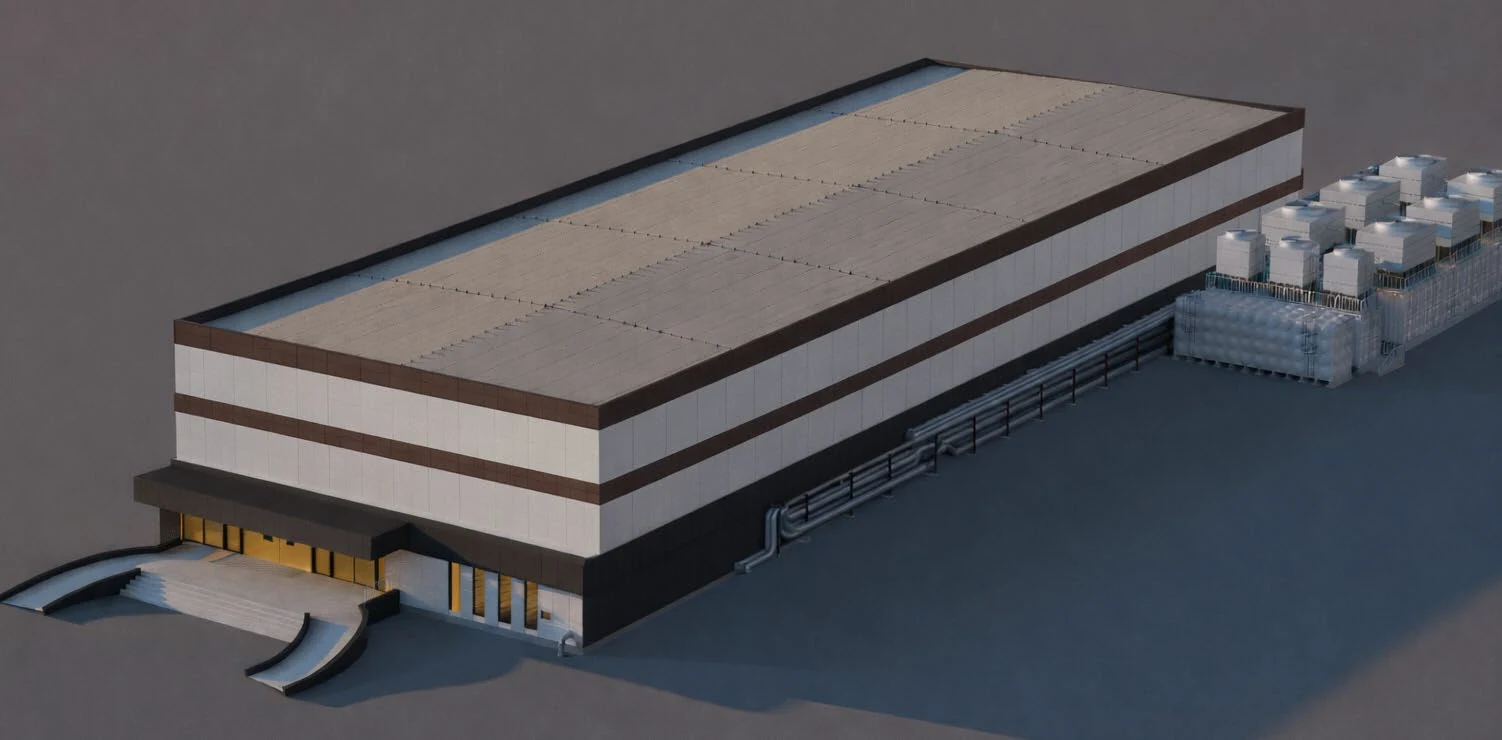
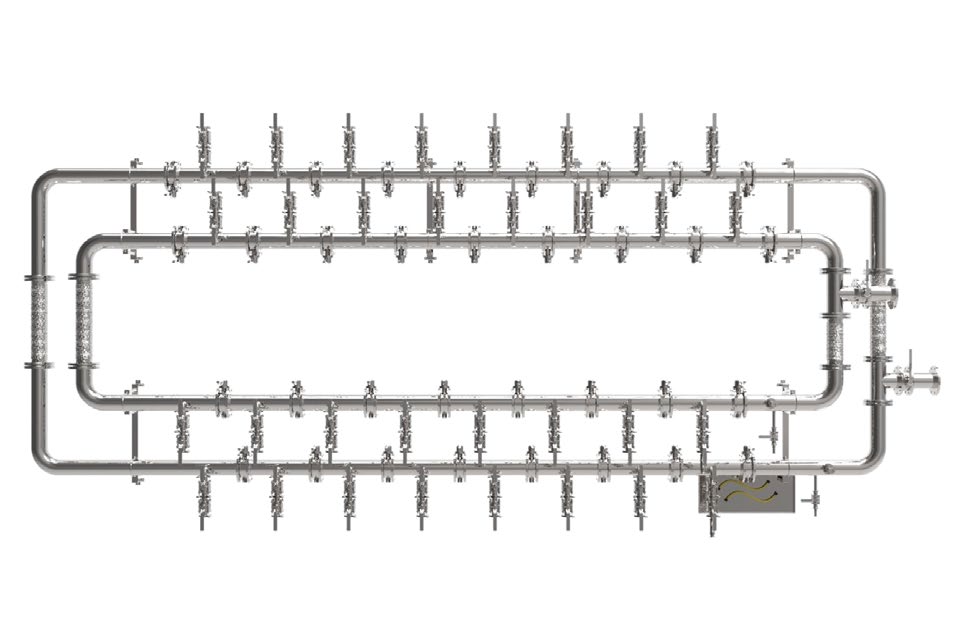
Two loops keep IT water and facility heat rejection separated.
The CDU transfers heat between the rack-side circuit and the facility-side circuit, which can then reject heat through dry coolers and climate-assisted operation.
 01
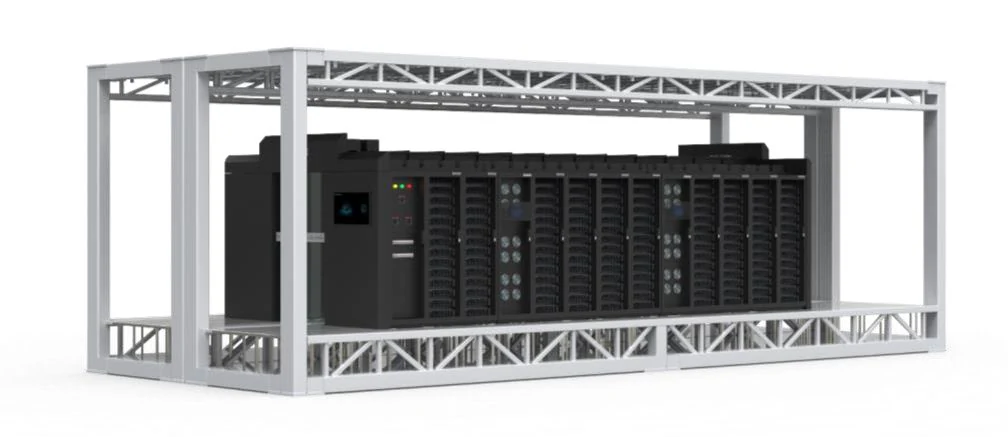
01Liquid-cooled rack module
High-density AI / HPC compute
 02
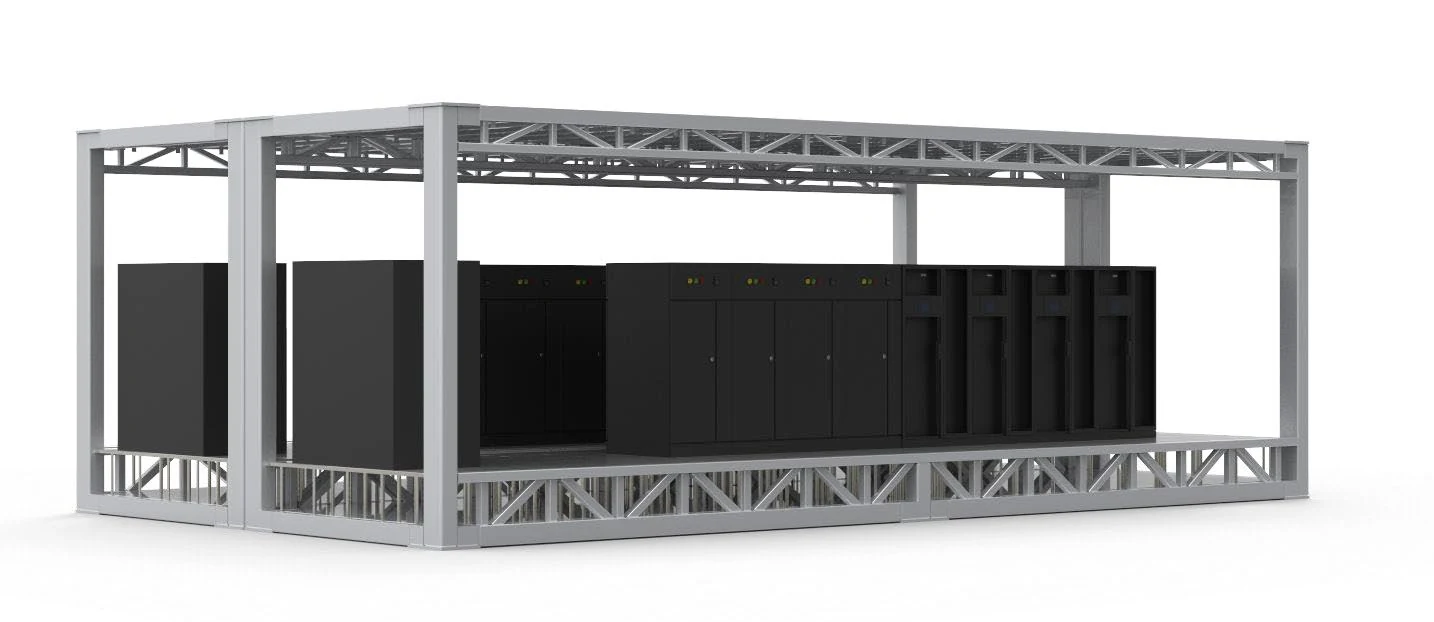
02Transformer & switchgear
Modular electrical distribution
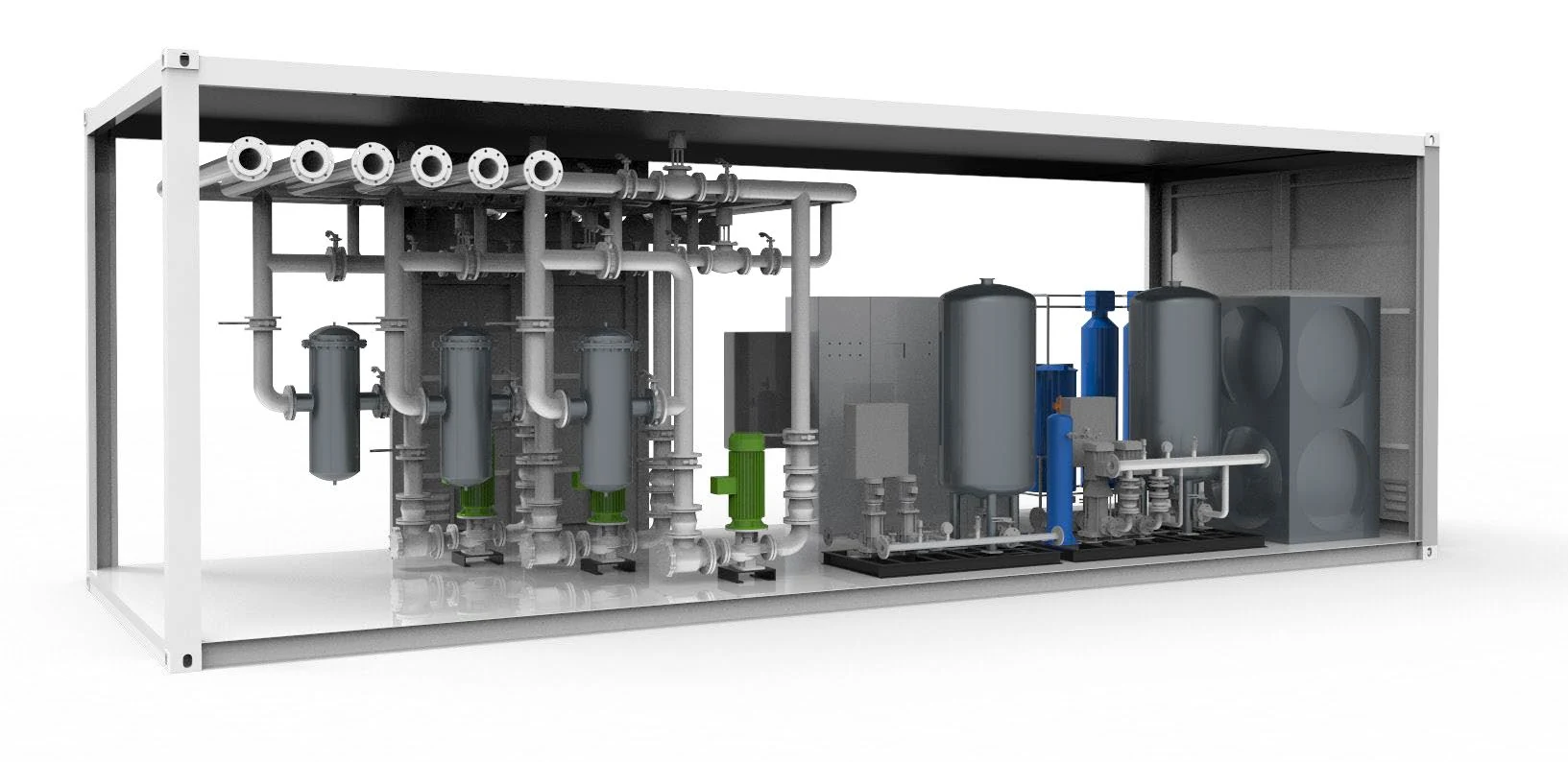 03
03Chilled-air module
Supplementary thermal control
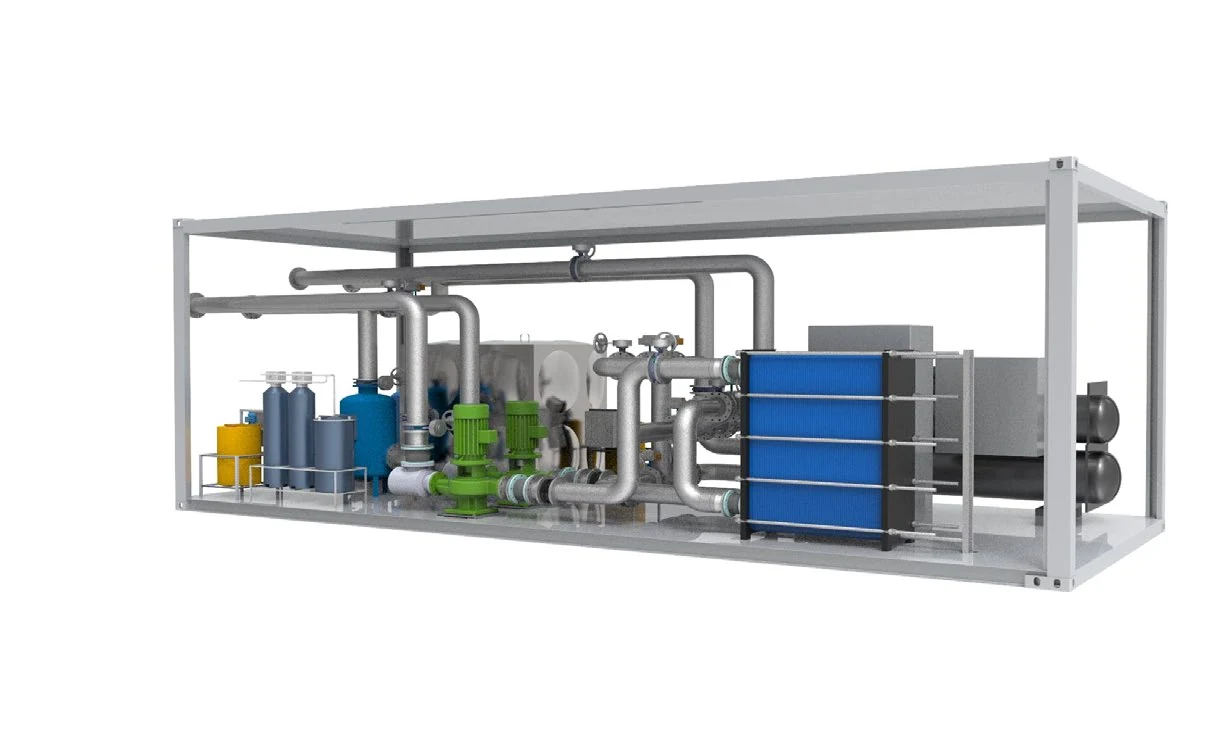 04
04Cooling distribution unit
Rack-to-facility heat transfer
05Double-loop cooling pipes
Separated facility and IT loops
 06
06ORC heat-to-energy system
Optional waste-heat recovery concept
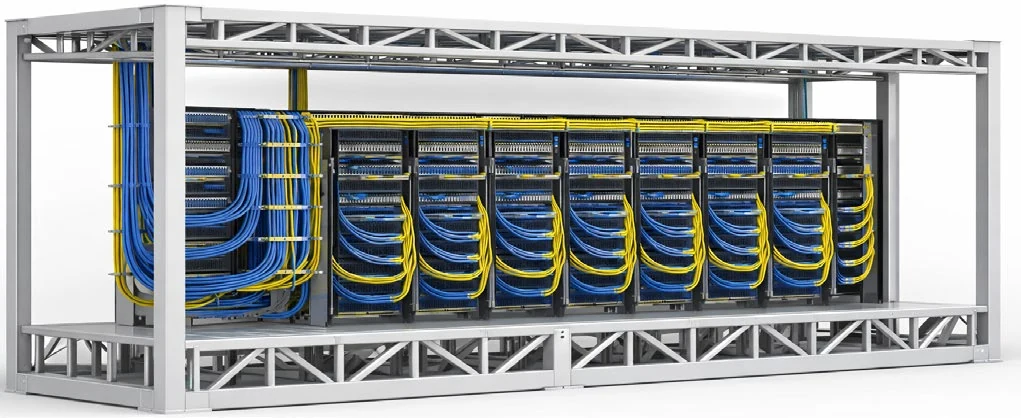 07
07Network module
Pre-cabled optical fabric
 08
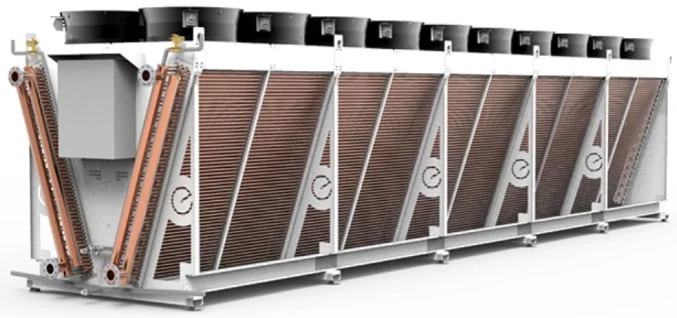
08Dry-cooler array
Climate-assisted heat rejection
 09
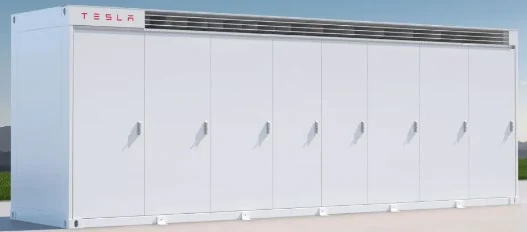
09Battery energy storage
Grid flexibility and ride-through
Product imagery and targets come from supplied Rinchen/AIPIEN materials. Final configuration depends on site and equipment mix.
04
Construction proof
See how modular infrastructure comes together.
Site preparation and module manufacturing can run in parallel. The 52-second film is reference footage from the original project deck, not a completed Rinchen facility.
Engineered visualizationPlay source construction footage
05
Investment case
Capital follows evidence, not the other way around.
Rinchen’s phased model is designed to link each expansion decision to power, fiber, safeguards and customer commitments.
A 10 MW pilot creates the diligence base for the next 90 MW.
The supplied deck also cites an Aegiscore signed $412M MOU and a planned infrastructure fund. Supporting documentation should be reviewed under diligence; neither is presented here as Rinchen revenue.
Request the investment briefSite & power
Named land, renewable power pathway and grid study
Demand
Customer profile, service model and commercial route
Design
Equipment mix, cooling, fiber and safeguards baseline
Capital
Pilot structure, risk allocation and procurement plan
Scale
Expansion only against validated demand and available power
06
Delivery path
One pilot. Five stop/go decisions.
The 3-6 month module target sits inside a longer project pathway that includes approvals, site works, commissioning and customer readiness.
- Joint feasibility
Site, power, fiber, safeguards, demand and commercial model.
- Framework
Counterpart, PPA route, approvals and final design.
- Parallel build
Factory manufacturing, site works, training and customer contracts.
- 10 MW pilot
Commission, validate performance and activate sovereign capacity.
- Scale to 100 MW
Expansion against contracted demand and verified power.
07
Value for Bhutan
The infrastructure Bhutan’s AI strategy already calls for.
The 2025 strategy names energy-efficient HPC, GPU clusters, robust networks and sustainable power as national AI enablers. Rinchen proposes a delivery platform around that stated direction.
Digital export revenue
Sell computation to regional and global customers while the infrastructure remains in Bhutan.
Sovereign AI reserve
Retain Bhutan-controlled capacity for public services, research and Dzongkha-language AI.
Quality technical jobs
Create engineering, operations, cybersecurity and AI roles backed by local training.
A bankable power customer
Build a long-term demand case around verified power, grid constraints and phased capacity.
The team08 / 10
Full-lifecycle capability
From capital and engineering to construction, commercialization and international scale.

Alexey
Founder
Operations

Misha
Founder
Investor relations

Vlad
Legal
Corporate structure & contracts

Rob
Adviser
Data-center development experience
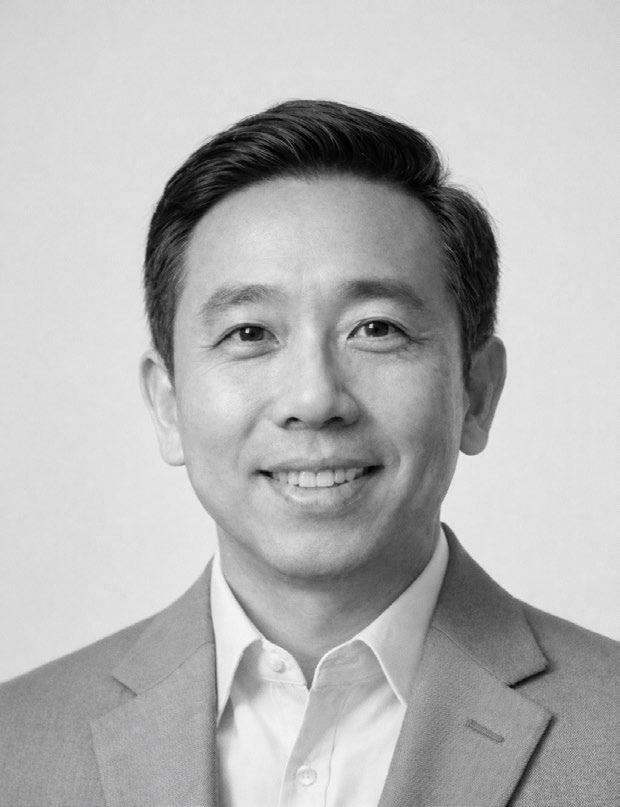
Victor
CEO, Asia
APAC operations & supply chain IP
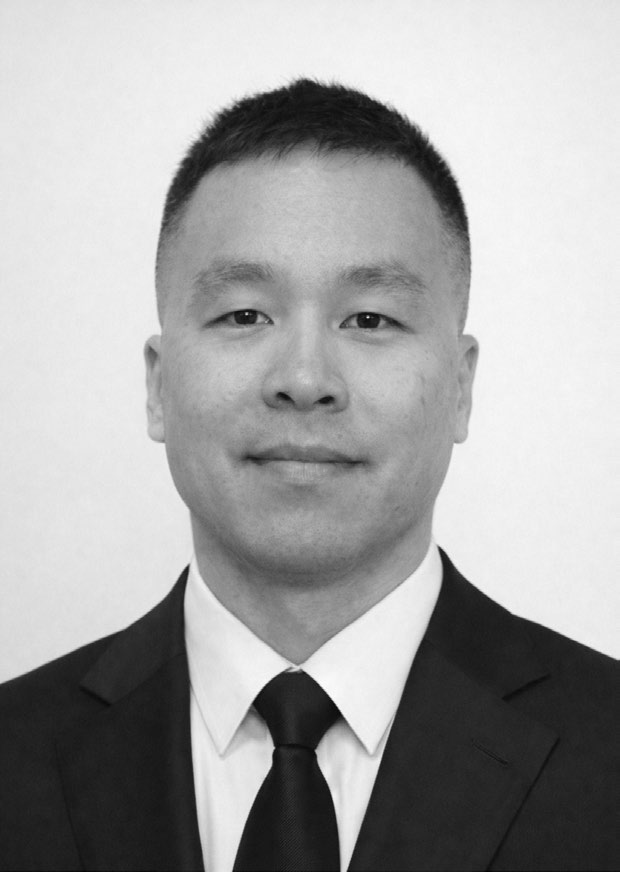
Richard
Investment Fund
Project finance & fund development

Suzanne
Chief Financial Officer
Finance, budgeting & governance
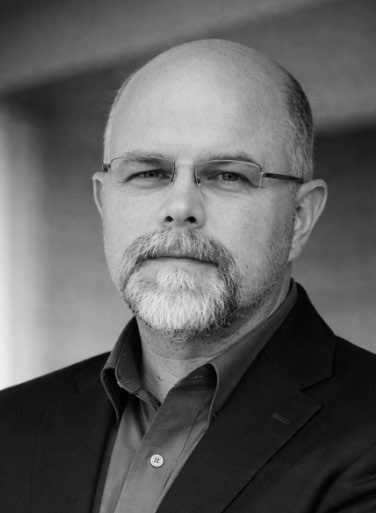
David
Engineering
MDC design & manufacturing
09
Insights
AI infrastructure, energy and delivery without the brochure language.
Short briefs that answer the questions compute buyers and infrastructure investors ask before a serious conversation.
01Field noteThe 24-36 month bottleneck
Why conventional delivery schedules collide with the speed of AI infrastructure demand.
Open note +
A conventional campus serialises design, procurement and site construction. The modular approach moves engineering, component integration and site preparation into parallel workstreams. The 3-6 month figure in Rinchen’s materials is a module deployment target after approvals, not the full time from first meeting to a commissioned campus.
02Field noteGPUaaS, bare metal or reserved cluster?
The buying model should follow workload duration, control requirements and procurement risk.
Open note +
Burst inference can favour flexible GPU access. Long training programmes may need reserved clusters. Regulated or proprietary workloads often call for dedicated bare metal. Rinchen starts with the workload and works backward to capacity, cooling, network and commercial structure.
03Field noteWhat a 10 MW pilot must prove
Power and cooling are only the beginning. Demand, fiber, safeguards and operations must clear the same gate.
Open note +
A credible pilot proves five things together: the site can receive power, the network can reach customers, the cooling system matches the equipment mix, the safeguards withstand diligence and the capacity has a commercial path. Expansion should follow evidence, not optimism.
04Field noteWhy Bhutan for AI infrastructure
The country’s own AI strategy calls for energy-efficient HPC, GPU clusters and sustainable power.
Open note +
Bhutan is not being asked to invent a digital-infrastructure ambition. Its National AI Strategy already identifies green data centers, energy-efficient high-performance computing, GPU clusters, robust networks and sustainable power as national enablers. Rinchen proposes a delivery platform around that stated direction.
10
Free fit brief
Get a free AI infrastructure fit brief.
Tell us the workload, target capacity and deployment window. We will frame the suitable service model, indicative power envelope and the next diligence question.
01 / Service model02 / Power envelope03 / Diligence path
Official priorities. Clearly marked assumptions.
National-alignment claims link to official Bhutanese and World Bank sources. Commercial and technical targets come from supplied company materials and require feasibility validation.
